Insulation Mold Removal in Rolling Hills Estates, CA
Plan insulation mold removal in Rolling Hills Estates around the affected material and moisture source. Ask what your scope includes before work begins.
- Moisture source checked first
- Contained insulation removal
- Dry cavity before replacement
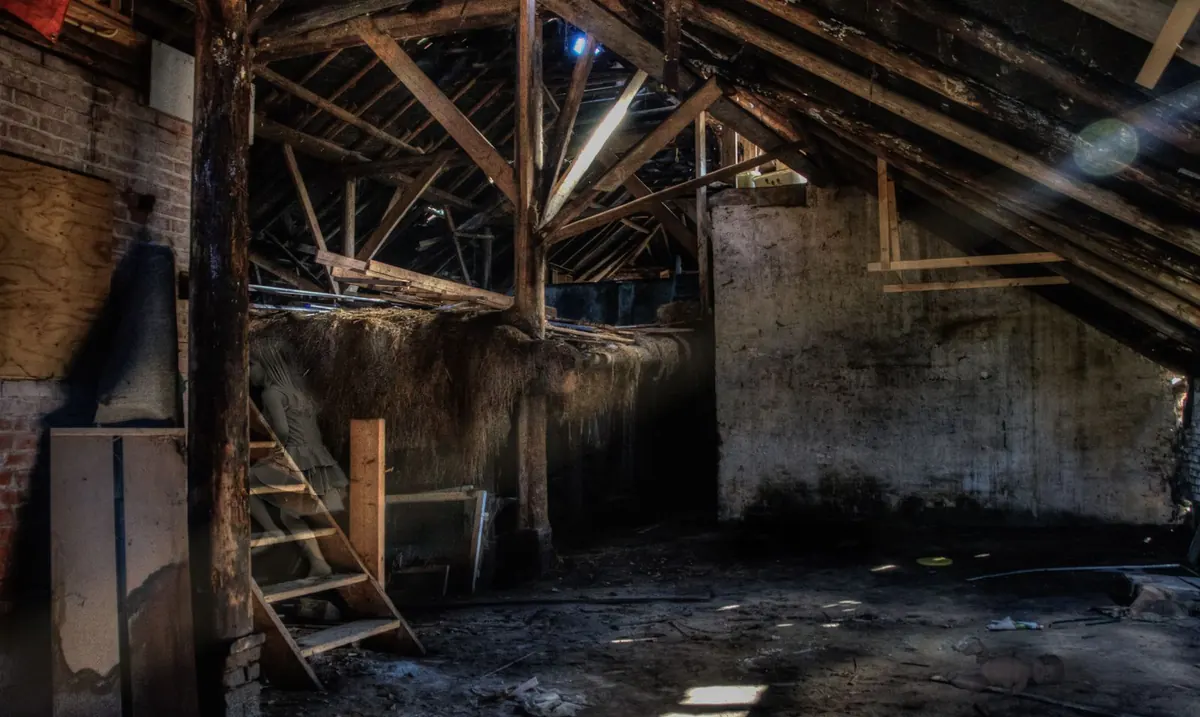
Insulation Mold Removal Scope in Los Angeles County
Your work scope includes damaged insulation plus the surfaces hidden beneath it.
Paper-faced batts, fiberglass and cellulose may trap dampness next to the wood or drywall in your home.
Before choosing a removal amount, establish which insulation areas are affected.
- Attic insulation below a roof leak
- Wet insulation in walls
- Wet batt insulation or cellulose
- Crawl space insulation near damp framing
- Mold in ceiling insulation around a stain
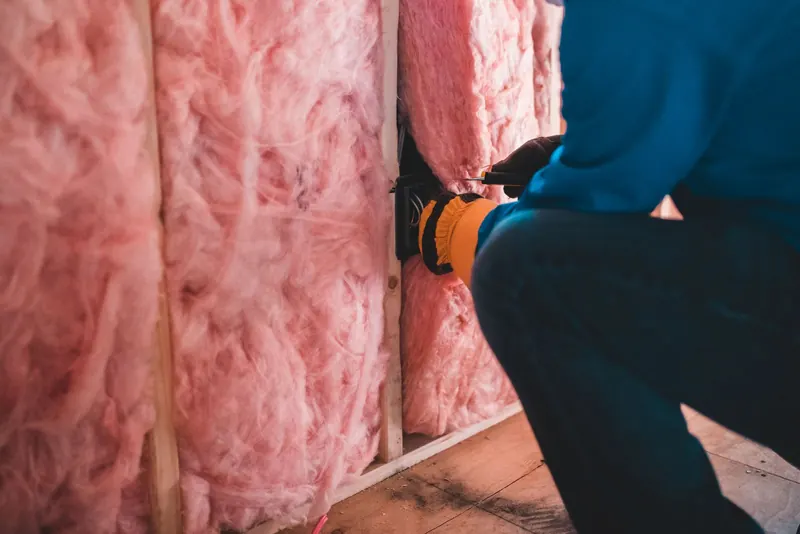
Finding Help With Insulation Mold in Rolling Hills Estates, CA
Comparable Insulation Projects
Ask for references involving the same material and access constraints.
Named Repair Contacts
Establish your contact for work questions and for coordinating separate trades.
Written Scope of Work
Ask how newly discovered damaged materials change your agreed scope and price.
Insulation Product Details
Find out why the suggested replacement material is suitable for your cavity.
Mold on Insulation Warning Signs in Rolling Hills Estates, CA
A musty smell, stains or visible mold may justify controlled removal:
Sagging Crawl Space Insulation
Find out whether ground moisture, condensation or plumbing leaks explain the pattern.
Matted Blown-In Insulation
Tell the assessor where loose fill appears damp or compressed.
Insulation Behind Soft Drywall
Your choice of opening location should follow moisture checks if drywall softens or peeling paint appears.
Dark Marks on Ceiling Insulation
Mold is not behind every mark. CDC says color does not tell you how risky mold is.
First Steps for Wet Insulation in Los Angeles County
Arrange an assessment and avoid disturbing the material:
Call (844) 352-3560- Stop water when safe. To prevent mold growth, EPA recommends drying water-damaged items and areas within 24 to 48 hours.
- Keep people and pets away. Do not attempt attic entry or crawl space access unsafely.
- Leave insulation in place. Pulling batts or dragging loose fill can spread fibers and mold spores.
- Limit air movement. Keep fans pointed away from the cavity, and leave HVAC equipment off if mold contamination is suspected.
- Record what happened. Record the leak start date and identify the affected rooms.
Your Insulation Mold Removal Cost in Rolling Hills Estates, CA
You cannot use these attic figures as an insulation-only removal price because the guides cover different work. Check each total for included disposal and new insulation before making comparisons.
New insulation after removal of the old material
$1 to $7 per square footSource: PushLeads, Attic Mold Removal Cost (cites BUK Restoration and Angi) (checked 2026-10-23)Disposal of contaminated materials
$75 to $120 per loadSource: PushLeads, Attic Mold Removal Cost (cites BUK Restoration and Angi) (checked 2026-10-23)What Shapes Your Insulation Mold Removal Cost in Rolling Hills Estates?
- Entry to attics and walls, or crawl space access
- Drywall removal and containment
- Framing cleaning and drying
- Separate leak repair and testing
- Batt versus blown-in material
- Insulation depth plus affected square footage
Related Cost Guides Rather Than a Quote for Your Property
Published national cost guides are the source of these ranges, rather than an inspection of your property. An on-site assessment determines the price for your property, and you should receive an explanation before the work begins.
Ask about cost: (844) 352-3560Insurance for Insulation Mold Removal in California
Confirm with your insurer how the source of your loss changes coverage under the policy before assuming it pays for work.
Disclosure After Insulation Work
California's Toxic Mold Protection Act includes a landlord written-disclosure section (Health and Safety Code 26147). By its own wording it applies only after the state adopts mold exposure standards, and the state health department has said it could not set them.
Mold Limits and Deductibles
Verify your deductible alongside inspection requirements and any mold sublimit.
Homeowners Insurance Questions
Ask your insurer to distinguish sudden leakage from ongoing condensation under the policy.
Rental Insulation Responsibility
Under California's housing law, visible mold found by a health officer or code enforcement officer can make a rental substandard. Renters can contact their local health or code enforcement department to ask for an inspection.
The Moldy Insulation Removal Process in Greater Los Angeles
Agree which tasks come first before removing insulation.
Assess Insulation and Moisture
Map visible mold growth and damp materials with a moisture meter. You can see patterns with a thermal imaging camera without identifying mold.
Correct the Water Problem
Identify the repair needed first, or mold can return.
Prepare Containment and Access
As appropriate, specify protective equipment, a HEPA air scrubber, poly sheeting, negative air pressure and a containment barrier.
Plan Insulation Disposal
Prepare removed porous materials for disposal by sealing inside the planned work area.
Clean Exposed Surfaces
Methods assessed for mold on surfaces may involve a HEPA vacuum along with damp wiping. Cleaning remains necessary with antimicrobial treatment.
Dry the Cavity
Before the post-remediation check, air movers and a dehumidifier may help materials dry.
Check Before Closing
Confirm cleanup and moisture readings before containment comes down. Choose an independent assessor if clearance testing is specified.
Is Keeping Your Insulation and Framing Possible?
Base your decision on condition. Wood suitable for retention still has a porous structure.
| Material condition | Likely handling | Decision to confirm |
|---|---|---|
| Moldy fiberglass or cellulose | Remove and replace affected insulation. | How far does damage extend? |
| Sound framing or sheathing | Clean, then dry with methods assessed for use. | Is the wood able to remain structurally sound? |
| Clean, dry wood with a proposed coating | Only encapsulate after cleaning when appropriate. | What makes coating necessary? Do not cover mold with paint, EPA says. |
| Soft or deteriorated wood | Assess removal and structural replacement. | Who evaluates the damage and repair? |
Ask your roofer about leaking roofs, your HVAC contractor about routing the exhaust fan, and your insulation contractor about obstructed ventilation paths. Identify who fixes each cause.

Discuss Insulation Mold Removal in Rolling Hills Estates
Call whenever you need. An insulation mold removal specialist takes your call, discusses what you see and outlines what comes next.
Moldy Insulation Risks for Homes in Greater Los Angeles
A little visible stain may hide a more widespread dampness problem.
Nearby Materials May Be Affected
Drywall and sheathing outside the visible stained area may also get wet.
Some People Face Greater Risk
CDC identifies people with weak immune systems, asthma or lung disease as more at risk.
Covered Framing Can Stay Damp
A dry insulation edge does not establish conditions underneath.
Can you clean it yourself? According to EPA, homeowners can often clean affected areas smaller than about 10 square feet. That advice is not a way to clean insulation. Have a professional assess larger areas, contaminated water from sewage or involvement of HVAC equipment.
Planning Replacement Insulation in Los Angeles County
Set replacement specifications before the cavity is closed.

Insulation Specification
- Choosing suitable batts, spray foam insulation or loose fill
- Required R-value
Assembly Details
- Vapor barrier location
- Clearance around insulation baffles
Finish Work
- Drywall patching boundaries
- Painting and trim responsibilities
What Shapes Your Insulation Work Schedule in Los Angeles County?
Your timing depends on access, proof of drying and coordination between repairs.
- Accessible attic batts: Hatch size and the waste route affect removal planning.
- Closed wall or ceiling: Your scope may shift with opening authorization or damage concealed inside.
- Deep loose fill or crawl space: Removal depends on volume and limited access; replacement may wait for damp framing.
Musty Insulation in Rolling Hills Estates: The Humidity Question
A musty smell may point to hidden moisture, but not its location. Moisture mapping helps define the area.
Keep your humidity under 60 percent. The ideal is 30 to 50 percent, according to EPA. Resolve leaks and problems with ventilation.

Scope and Repair Planning
Use the full insulation mold removal guide to prepare questions about the assessment, scope and next steps for your property.
Read the insulation mold removal guidePlanning Insulation Mold Removal in Rolling Hills Estates
Area housing statistics describe local housing, without showing what condition your property is in. Let the assessment findings guide your arrangements for moisture repairs, access and records.
Census ACS 2024 5-year (tables B01003, B25003, B25035, B09021 and B25024). Area estimates do not establish conditions at an individual property.
In Rolling Hills Estates, renters occupy 12 percent of occupied housing units. For your property, record the rooms affected and ask who can authorize access before work begins.
The median year built for housing units in this community is 1970. This does not establish your building age or condition. Confirm who can approve opening affected materials and how you will receive the findings and next steps.
Single-family units make up 96 percent of all housing units in this community. Ask who will repair the moisture source and who will replace any materials removed during cleanup.
In this community, 21 percent of residents aged 65 or older live alone. Before work starts, discuss access to the affected room and any adjoining space that needs inspection.
Prepare for Your Property Assessment
- In this community, mold removal starts with finding and fixing the water problem, because cleaning the surface alone will not keep growth from returning.
- For your property, record the rooms affected and ask who can authorize access before work begins.
Local Insulation Mold Removal Information for Rolling Hills Estates
During your call, ask whether mold cleanup is available in surrounding communities and ZIP codes.
Insulation Mold Removal in Locations Near Rolling Hills Estates
ZIP codes
Frequently Asked Questions About Insulation Mold Removal in Rolling Hills Estates
Does every part of the attic need insulation removal?
You may not need to remove every section of attic insulation for a localized problem. Ask for a boundary showing affected material, adjacent areas checked and inaccessible sections. If the scope expands, request the observations behind that change before agreeing to wider removal.
Is mold testing necessary ahead of insulation removal in Rolling Hills Estates?
Visible mold frequently needs no sampling, EPA says. Inspection establishes the extent and moisture source; a sample answers a specific question about what was collected. Find out how the result would affect your removal plan. Indoor mold has no federal limit that would make a test universally determine passing or failing.
Does removal include roof repairs and new insulation?
Do not assume either is covered without checking the scope. You may have different contractors for separate removal, rebuilding and moisture repair jobs. Find out who buys replacement insulation and installs the material, who seals ceiling or wall openings, and who arranges the handoff. Clarify exclusions before you accept the work.
Can you remain at home while insulation work proceeds?
Ask about separation between occupied rooms and the work area, access through living spaces, and management of shared heating or cooling. Discuss household needs beforehand. Alternative accommodation may be needed, since containment alone cannot assure appropriate occupancy for every person.
What documentation should you save following work in Los Angeles County?
Keep dated photos before the cavity is closed, the agreed scope, changes you approved, disposal details, moisture readings and any independent assessment report. Store replacement insulation specifications alongside your repair invoices. For future questions, these documents help clarify what was reachable, what came out and what repairs were finished.
What should you send an insurer or landlord?
Ask your insurer about required paperwork ahead of material disposal and whether inspection needs to precede disposal. If renting, describe affected rooms and the leak in a dated notice, then save the reply and arrangements for access. Establish whose permission is needed for openings into shared building areas or walls.
Questions About Insulation Mold Removal in Los Angeles County?
Get calm, practical guidance about insulation mold removal, with calls answered 24 hours a day.