Attic Mold Removal in Rolling Hills Estates, CA
Plan attic mold removal around your roof condition, insulation and access. Ask who will complete moisture repairs before replacement materials go in.
- Moisture checked
- HEPA containment
- Decking assessed
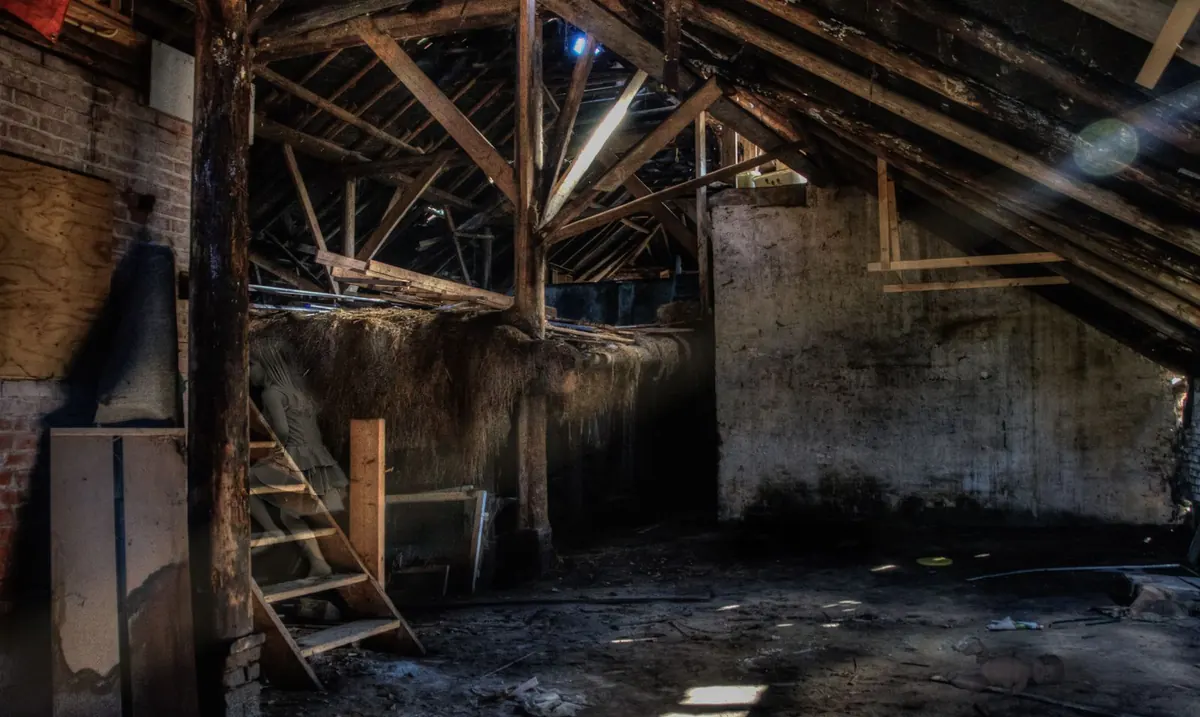
The Scope of Attic Mold Remediation in Los Angeles County
Your attic work plan should name the materials affected and explain their dampness.
Ask that your scope document both where inspection was limited and what area is affected. The plan may need revision if improved access reveals moisture underneath insulation.
Treat roof repairs and rebuilding as separate from cleanup. Decide who can approve more tear out when hidden damage is found.
- Roof sheathing and rafters
- Attic insulation and ceiling surfaces
- Stored contents near growth
- Access hatch and work route

Attic Cleanup in Rolling Hills Estates, CA: Comparing Work Scopes
Method Selection
For any suggested antimicrobial treatment, clarify the intended purpose and the product's restrictions.
Change Authorization
Set an approval step for newly exposed damage.
Completion Criteria
Decide together what proves job completion before starting work.
Attic Inspection Limits
Which parts of the roof were inaccessible? Ask.
Patterns of Attic Moisture Around Rolling Hills Estates, CA
Use stain locations to shape your questions, without treating them as proof of cause.
Black Mold in Attic Spaces
Color reveals neither mold type nor risk, CDC guidance explains. Pale growth needs assessment too.
Staining Below a Roof Opening
For affected wood sheathing, ask your roofer to inspect the flashing and leak paths overhead.
Damp Insulation Near Exhaust Ducts
Does bathroom fan exhaust reach outside? Ask an HVAC contractor.
Condensation in Attic Spaces
For soffit vents, ceiling air leaks and the ridge vent, seek a ventilation contractor's assessment.
Attic Mold in Los Angeles County: What to Do First
Keep the area undisturbed while you organize an assessment.
Call (844) 352-3560- Avoid wet equipment. Keep away from electrical equipment near water and from wet roofing.
- Leave growth undisturbed. You can release mold spores and dust by brushing or sanding.
- Close the attic hatch. Make sure neither pets nor people go near affected materials.
- Avoid spreading particles. Do not use an attic fan to blow dust out. Do not operate the system if you suspect HVAC contamination, says EPA.
- Record visible changes. Leave insulation in place when photographing water stains from somewhere accessible.
Understanding Attic Mold Remediation Cost in Rolling Hills Estates, CA
Compare each guide by its stated scope and unit. These national ranges do not establish which repairs your property needs.
Attic mold removal
$1,000 to $4,000 per jobSource: This Old House, Mold Remediation Cost (cost data credited to Angi) (checked 2026-10-23)If existing insulation is removed, replacement with new insulation
Each square foot costs $1 to $7Source: PushLeads, Attic Mold Removal Cost (cites BUK Restoration and Angi) (checked 2026-10-23)Factors That Change Attic Mold Cost in Rolling Hills Estates
- Affected square footage
- Separate moisture repairs
- Roof sheathing condition
- Insulation volume
- Cleaning method
- Access and headroom
Published Attic Cost Guides Are Not Quotes
Published national cost guides are the source of these ranges, rather than an inspection of your property. Before work begins, you should get an explanation of the property price determined through an on-site assessment.
Ask about cost: (844) 352-3560Attic Mold Insurance Questions in California
The cause of moisture and your policy decide what is covered. Check with the insurer before you approve work relying on claim funds.
Roof Leak History
Keep a record of when water first entered and all prior roof repairs.
Rental Attic Access
Under California's housing law, visible mold found by a health officer or code enforcement officer can make a rental substandard. Renters can contact their local health or code enforcement department to ask for an inspection. Contact the owner or manager to organize access.
Property disclosures
California's Toxic Mold Protection Act includes a landlord written-disclosure section (Health and Safety Code 26147). By its own wording it applies only after the state adopts mold exposure standards, and the state health department has said it could not set them. Add completion records to your collection of property documents.
Claim categories
Ask whether testing, removal, disposal and rebuilding are considered separately.
Understanding the Steps of Attic Mold Remediation in Greater Los Angeles
Keep containment until final checks are complete. Before disturbing materials, assess your work area and isolate it.
Attic Inspection
Dampness and inspection boundaries are mapped using a moisture meter.
Attic Containment
At the work zone, poly sheeting creates the containment barrier.
HEPA Filtration
Negative air pressure and a HEPA air scrubber limit particle spread.
Insulation Removal
Affected insulation goes into bags while inside containment.
Wood Cleaning
Evaluated methods can include using a HEPA vacuum. Justify soda blasting for the material involved and ensure dust control.
Drying
Assigned trades address water entry as moisture readings monitor drying.
Post-Remediation Check
Final cleaning and agreed verification precede barrier removal. Use an independent assessor for clearance testing.
Which Attic Materials Can Stay?
Material condition determines the proposed treatment. Retainable wood still has a porous structure.
| Condition | Likely handling | Decision to confirm |
|---|---|---|
| Sound rafters or plywood sheathing | Clean and dry under containment. | Is the wood in sound condition and reachable for cleaning? |
| Clean, dry wood proposed for encapsulation | Only apply an appropriate coating after you finish cleaning. | What makes it necessary? Clean and dry ahead of painting, says EPA. |
| Soft or deteriorated roof decking | Remove and replace damaged sections. | Who checks the structure's condition and finishes roof repairs? |
| Wet or moldy insulation | Take out affected porous materials, then replace once drying is complete. | What amount of insulation removal is needed? |
| Washable non-porous surfaces | Clean and dry if intact. | Can all affected surfaces be reached? |
Coating cannot substitute for removal of growth or moisture correction. Request the method for distinguishing remaining discoloration from unfinished cleaning.

Discuss Attic Mold Removal in Rolling Hills Estates
Call at any time. An attic mold removal specialist answers, talks through what you are seeing and explains the next steps.
Attic Mold Across Greater Los Angeles: Safety Risks to Consider
Attic work needs a plan for both exposure and physical access.
Sensitive Occupants
Mold may trigger symptoms of allergies and asthma for some people. Risk is greater for people who have asthma, lung disease or weak immune systems.
Attic Footing
Between joists, ceiling surfaces do not serve as a walking floor. Never enter for growth measurements.
Restricted Headroom
Tight spaces, heat and exposed nails make movement and protective equipment use harder.
Can you clean it yourself? Homeowners can often clean areas under about 10 square feet, according to EPA. That area size leaves attic access risks unresolved. Larger areas, HVAC systems or contaminated water call for professional help.
Understanding Attic Repair Duties in Los Angeles County
Give every repair an assigned party before the cleanup is complete, so new materials do not conceal remaining dampness.
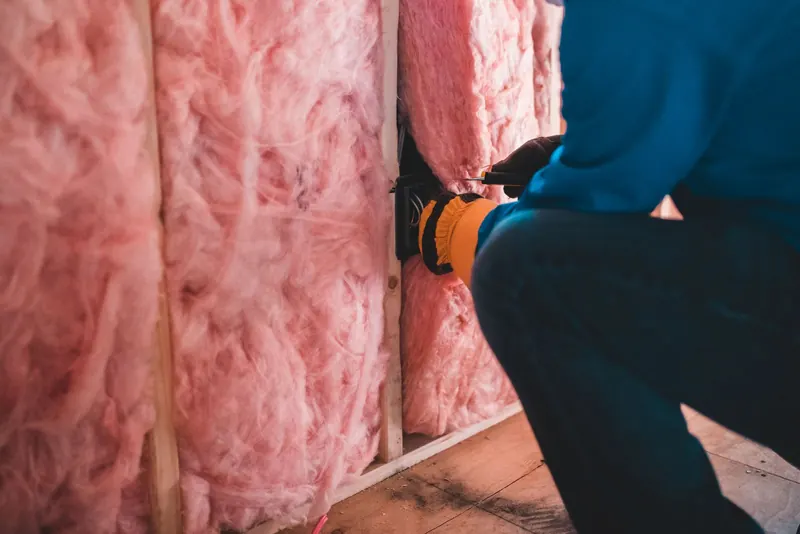
Roofing contractor
- Roof decking evaluation alongside leak repair
Ventilation or HVAC contractor
- Attic ventilation and exhaust routing
Insulation or building contractor
- Ceiling air sealing and repair after remediation
Planning the Attic Work Schedule in Los Angeles County
Your schedule follows inspection and depends on repair handoffs, drying and access.
- Access and material volume: A narrow hatch or extensive insulation adds removal and transport work.
- Wood moisture: Document drying before installing replacement insulation instead of relying on how surfaces look.
- Repair handoffs: Before closing the job, coordinate any independent verification, ventilation correction and roof work.
Understanding Attic Odor and Indoor Humidity Around Los Angeles County
Fragrance will not fix your dampness problem. A musty odor alone cannot show where every affected surface is.
EPA recommends indoor relative humidity below 60 percent, ideally 30 to 50 percent. This is indoor guidance, not an attic clearance target.
Scope and Repair Planning
Use the full attic mold removal guide to prepare questions about the assessment, scope and next steps for your property.
Read the attic mold removal guidePlanning Attic Mold Removal in Rolling Hills Estates
Area housing statistics describe local housing, without showing what condition your property is in. Let the assessment findings guide your arrangements for moisture repairs, access and records.
Census ACS 2024 5-year (tables B01003, B25003, B25035, B09021 and B25024). Area estimates do not establish conditions at an individual property.
In Rolling Hills Estates, renters occupy 12 percent of occupied housing units. For your property, record the rooms affected and ask who can authorize access before work begins.
The median year built for housing units in Rolling Hills Estates is 1970. This does not establish your building age or condition. Confirm who can approve opening affected materials and how you will receive the findings and next steps.
Single-family units make up 96 percent of all housing units in Rolling Hills Estates. Ask who will repair the moisture source and who will replace any materials removed during cleanup.
In this community, 21 percent of residents aged 65 or older live alone. Before work starts, discuss access to the affected room and any adjoining space that needs inspection.
Prepare for Your Property Assessment
- In this community, mold removal starts with finding and fixing the water problem, because cleaning the surface alone will not keep growth from returning.
- For your property, record the rooms affected and ask who can authorize access before work begins.
Local Attic Mold Removal Information for Rolling Hills Estates
Ask on the phone about mold cleanup for nearby ZIP codes and communities.
Attic Mold Removal in Locations Near Rolling Hills Estates
ZIP codes
Frequently Asked Questions About Attic Mold Removal in Rolling Hills Estates
Does the cleanup scope cover new insulation plus roof repairs?
Only an agreement that specifically includes those tasks covers them. Have removal and disposal listed separately, along with distinct entries for roof repairs and new insulation. If damaged decking is discovered, confirm who pays for additional work and who coordinates each trade. Rebuilding scope cannot be determined from a cleanup price.
Can you remain in your home while the attic work proceeds?
Ask about effects on occupied rooms from the hatch, equipment and the debris route. Confirm whether bedrooms, hallways or ventilation need temporary restrictions and who decides when access resumes. Before scheduling, address your household's needs. You may need to stay elsewhere; work being in the attic does not by itself establish safety.
Which questions should you put to your homeowners insurance company in California?
Find out whether coverage includes the reported event, whether a deductible or mold sublimit applies, and which approvals you need before discarding materials. Check whether temporary accommodation is covered and when documentation is due. Policy wording and the facts of the loss matter; a published cleanup range cannot establish coverage.
Do you need air sampling before cleanup in Rolling Hills Estates?
With visible mold, sampling often is not needed, according to EPA. Which decision would air sampling affect? Ask. It captures conditions at a specific location and moment, not across all hidden surfaces. There is no federal indoor mold level that proves a home is safe.
How do you address attic stains that come back following cleanup?
Report the location and date to the parties responsible for cleanup and repairs. Ask for moisture assessment plus comparison against photographs taken at completion. New dampness calls for investigation, although a stain might only be cosmetic. Darker wood alone does not prove new growth or failed work.
What records should you keep after attic work?
Keep inspection findings, dated photographs, the approved scope, changes, invoices and moisture readings. Obtain documentation of completed moisture repairs along with any independent post-remediation verification report. Keep these together so a future inspector or buyer can distinguish documented work from assumptions based on appearance.
Questions About Attic Mold Removal in Los Angeles County?
You can get straightforward, reassuring guidance on attic mold removal by calling 24 hours a day.