Crawl Space Encapsulation in Rolling Hills Estates, CA
Crawl space encapsulation in Rolling Hills Estates starts with checking why the area stays damp. Ask whether your property needs focused repairs, a new liner or a complete moisture-control system.
- Mold removed before sealing
- Moisture source checked first
- Vapor barrier and humidity plan
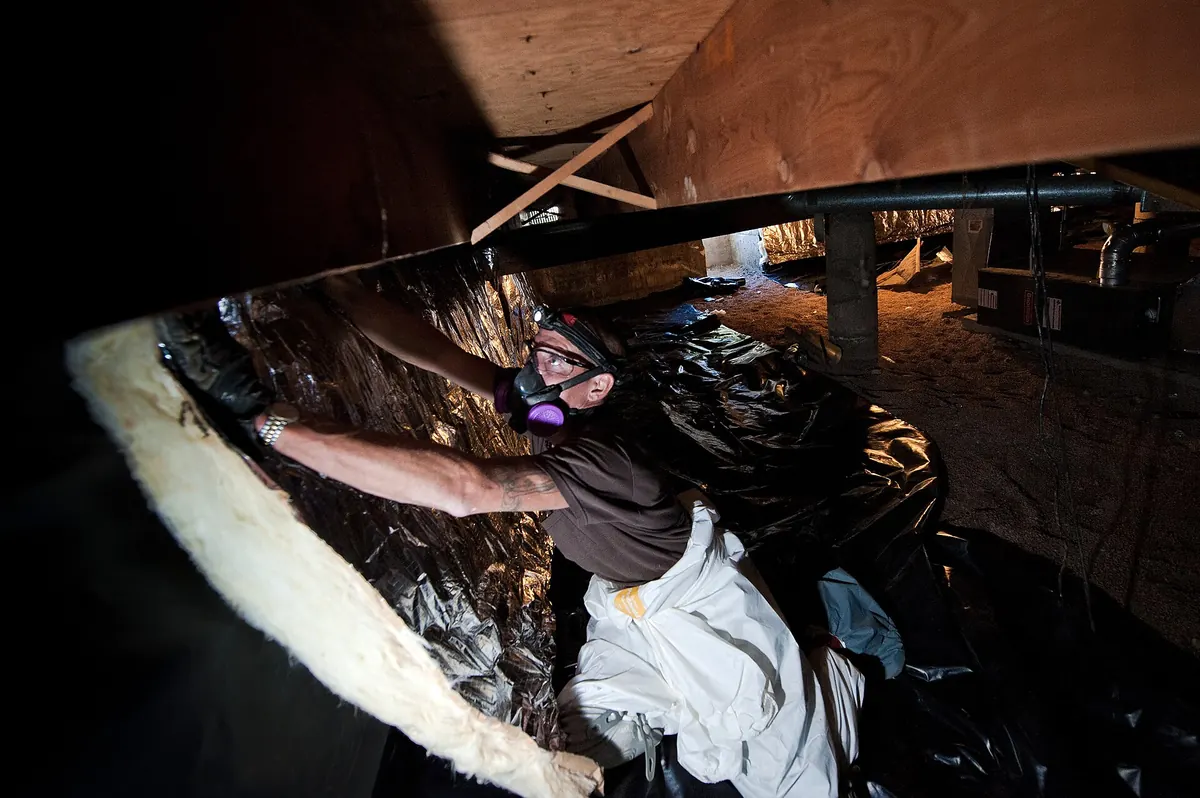
What Is Included in Los Angeles County Crawl Space Sealing
A closed crawl space combines a sealed ground and wall liner with humidity control. Your scope should identify each component.
Ask for your work scope in writing, separating coverage, equipment and insulation for the foundation walls.
Your vapor barrier reduces vapor from the ground; crawl space waterproofing deals with water in liquid form. Both leave surface mold untreated.
- Ground and wall coverage
- Sealed seams and attachments
- Vent, door and service-opening details
- Equipment and drain connections
Assessing Crawl Space Proposals in Rolling Hills Estates
Service access
Find out how the final layout keeps drains, equipment and plumbing within reach.
Product terms
Read what maintenance is required and what is excluded before picking materials or equipment.
Changes to the scope
Decide how you will approve added charges and any damage discovered later.
Crawl space liner specifications
Compare seam materials and wall attachments alongside membrane thickness, rather than square footage alone.
Your Rolling Hills Estates Crawl Space: Signs to Document
Describe when and where you notice changes. Observations help focus the inspection.
Wet insulation
Leave sagging sections undisturbed and point them out.
Crawl space water stains
Record if marks appear after rainfall or plumbing use.
Crawl space door gaps
Describe seals with damage or an opening that will no longer shut.
Hidden moisture
Report where peeling paint or condensation appears, including above your access opening.
Getting Started at Your Los Angeles County Crawl Space
Avoid disturbing the area as you use any accessible controls.
Call (844) 352-3560- Stop accessible leaks. Avoid shutting off water unless safe. Never touch electrical equipment that is wet or enter standing water.
- Leave growth alone. You risk releasing mold spores by brushing before protective equipment and containment are in place.
- Stop affected HVAC. EPA says not to run equipment that may be contaminated; it could spread mold.
- Photograph from outside. Record visible damage without entering a tight or damaged space.
- Limit access. Exclude pets and children from the area. Leave clean rooms free of any damp debris you carry.
Crawl Space Encapsulation Cost in Rolling Hills Estates, CA
Use the published ranges below to compare scope, not to price your property. Ask whether removal, drainage and equipment are included before adding separate allowances.
Encapsulation total range
$1,500 to $15,000 per jobSource: This Old House, Crawl Space Encapsulation Cost (checked 2026-10-23)A crawl space measuring 1,000 square feet
$3,000 to $7,000 per jobSource: This Old House, Crawl Space Encapsulation Cost (checked 2026-10-23)Typical encapsulation rate
Each square foot costs $3 to $7Source: This Old House, Crawl Space Encapsulation Cost (checked 2026-10-23)Dehumidifier, installed
$800 to $2,000 per installSource: This Old House, Crawl Space Encapsulation Cost (checked 2026-10-23)Factors Affecting Your Encapsulation Price
- Insulation and material removal
- Mold or foundation repair
- Dehumidifier and drainage needs
- Permits for planned work
- Vapor barrier: wall coverage and material thickness
- Size and access
Reading Published Guides to Costs
Published national cost guides are the source of these ranges, rather than an inspection of your property. Your property price is set after an on-site assessment and should be explained before work starts.
Ask about cost: (844) 352-3560Crawl Space Sealing Insurance Questions in California
To clarify coverage, ask your insurer which work repairs event damage and which work is preventive. The damage source and your policy determine what is covered.
Property disclosures
California's Toxic Mold Protection Act includes a landlord written-disclosure section (Health and Safety Code 26147). By its own wording it applies only after the state adopts mold exposure standards, and the state health department has said it could not set them. Save records to answer later questions about the property.
Rental duties
Under California's housing law, visible mold found by a health officer or code enforcement officer can make a rental substandard. Renters can contact their local health or code enforcement department to ask for an inspection. Notify the property manager about the affected area and arrange access.
Separate prevention costs
Request a coverage decision for liner installation separately from removal and drying.
Crawl space claim questions
Ask about the deductible, mold sublimit and authorization before work.
Steps in the Encapsulation Process in Greater Los Angeles
An inspection establishes how removal, water repairs and sealing will proceed at your property.
Inspect the crawl space
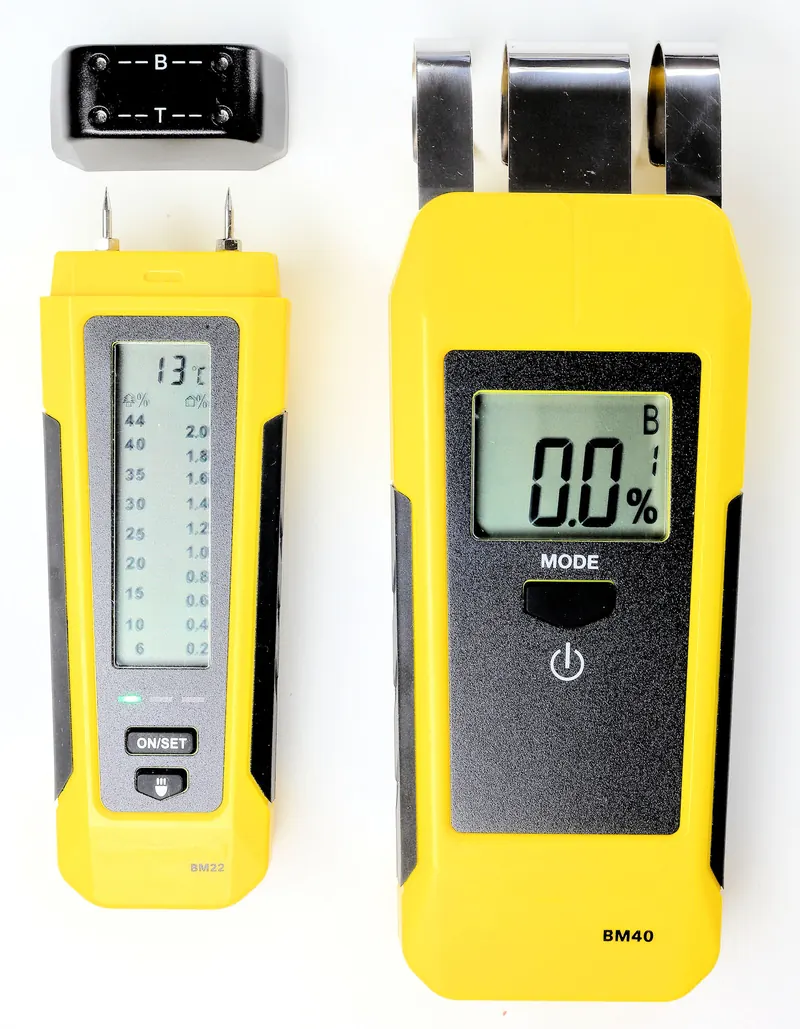
Map square footage and moisture paths. Use a moisture meter to check materials; identifying mold is beyond a thermal imaging camera.
Set removal controls
Specify a containment barrier, negative air pressure and HEPA filtration for the assessed work.
Complete crawl space cleaning
Remove irrecoverable materials. For retained surfaces, list assessed cleaning methods, including cleaning with a HEPA vacuum.
Repair and dry
Correct the moisture source. Air movers and a dehumidifier support drying; moisture readings track progress.
Check before covering
Plan for post-remediation verification prior to liner installation. For specified clearance testing, engage an assessor who is independent.
Install the liner
Seal seams, openings and the specified coverage across ground, walls and piers. Your design should include vent sealing.
Commission the system
Inspect controls and drainage for your crawl space dehumidifier. Demonstrate accessing and maintaining equipment.
Choosing Repairs or a Complete Sealing System
Match the proposed work to the moisture source found at inspection.
| Finding | Scope to discuss | What it does not replace |
|---|---|---|
| An isolated pipe leak | Leak repair and drying | Assessment of damaged materials |
| Water entering from outside | Evaluate the drain system or sump pump | Control of ground vapor |
| Continuing humid air or ground vapor | Humidity control in a sealed crawl space | Liquid-water correction and mold removal |
More than one row may apply. Ask what findings justify each component proposed.

Discuss Crawl Space Encapsulation in Rolling Hills Estates
Phone at any hour. Your call reaches a crawl space encapsulation specialist who hears your concerns and explains the process ahead.
Crawl Space Precautions During Work in Greater Los Angeles
Your plan should account for access, affected materials and contamination.
Contaminated water
EPA calls for professional help with sewage or contaminated water.
Damaged framing
Get repair needs assessed for deteriorated or soft wood before hiding the wood beneath a liner.
Sensitive occupants
CDC says people with weak immune systems, asthma or lung disease are more at risk from mold. Some people may experience allergy and asthma symptoms triggered by mold.
Can you clean it yourself? EPA notes that homeowner cleaning is often suitable for areas under about 10 square feet. HVAC involvement, larger areas or contaminated water require professional assistance. Do not judge whether crawl space entry is appropriate solely by patch size.
Choosing Crawl Space Materials in Los Angeles County
Your materials may remain if their condition allows it. Even wood suitable for cleaning and drying is still porous.
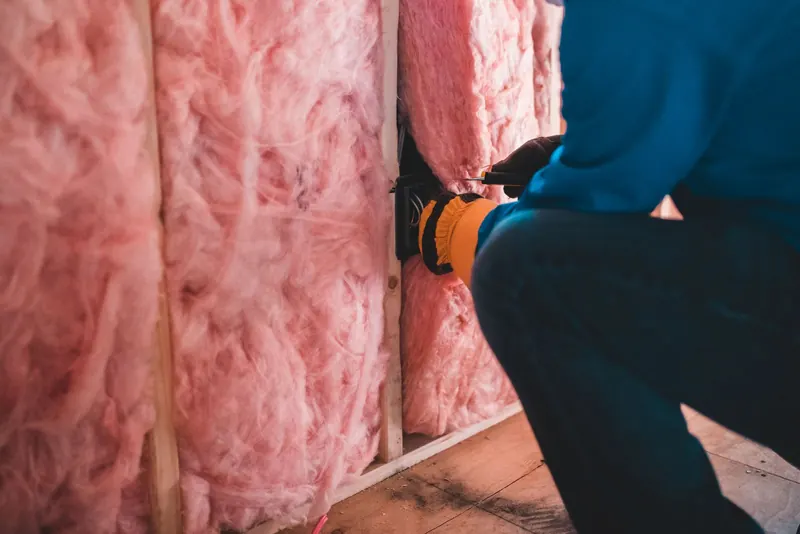
Porous wood assessed for retention
- Sound framing
- Sound subfloor
- Cleanability and drying checked
Other surfaces assessed for cleaning
- Masonry foundations
- Non-porous surfaces such as metal
Removal or replacement assessment
- Moldy insulation
- Deteriorated wood
- Damp paper and debris
- Torn old liner
Crawl Space Sealing Timelines in Los Angeles County
Drying progress and repair findings may shift your work sequence. Ask which tasks need to finish before each trade can begin.
- Access and preparation: Low spaces and debris affect the movement of removed materials and equipment.
- Drying hold point: Use readings from materials to determine readiness for another stage, not a predetermined date.
- Trade coordination: Sealing may follow separate visits to complete electrical work, structural repairs, plumbing and drainage.
Crawl Space Humidity and Odor in California
Investigate moisture if your crawl space smells musty; treating odor with deodorizer is no proof of dryness. Record whether rainfall or equipment shutdown is followed by the smell returning.
EPA recommends indoor relative humidity below 60 percent, ideally 30 to 50 percent. Ask where humidity will be measured in your crawl space.

Scope and Repair Planning
Use the full crawl space encapsulation guide to prepare questions about the assessment, scope and next steps for your property.
Read the crawl space encapsulation guidePlanning Crawl Space Encapsulation in Rolling Hills Estates
Area housing statistics describe local housing, without showing what condition your property is in. Let the assessment findings guide your arrangements for moisture repairs, access and records.
Census ACS 2024 5-year (tables B01003, B25003, B25035, B09021 and B25024). Area estimates do not establish conditions at an individual property.
In Rolling Hills Estates, renters occupy 12 percent of occupied housing units. For your property, record the rooms affected and ask who can authorize access before work begins.
The median year built for housing units in Rolling Hills Estates is 1970. This does not establish your building age or condition. Confirm who can approve opening affected materials and how you will receive the findings and next steps.
Single-family units make up 96 percent of all housing units in Rolling Hills Estates. Ask who will repair the moisture source and who will replace any materials removed during cleanup.
In this community, 21 percent of residents aged 65 or older live alone. Before work starts, discuss access to the affected room and any adjoining space that needs inspection.
Prepare for Your Property Assessment
- In this community, mold removal starts with finding and fixing the water problem, because cleaning the surface alone will not keep growth from returning.
- For your property, record the rooms affected and ask who can authorize access before work begins.
Local Crawl Space Encapsulation Information for Rolling Hills Estates
You can ask about mold cleanup in nearby communities and ZIP codes during the call.
Crawl Space Encapsulation in Locations Near Rolling Hills Estates
ZIP codes
Common Questions About Crawl Space Encapsulation in Rolling Hills Estates
What upkeep does the sealed space require?
Get a schedule for maintaining installed equipment and directions to check drains, access seals and seams. Ask who to contact if humidity rises or water appears. When plumbing or other below-floor work ends, schedule a check for liner disturbance and confirm continued equipment access.
Is remaining home possible while crawl space work takes place?
Find out about utility interruptions, usable entrances and separation between occupied rooms and both the debris route and work zone. Discuss household needs before work starts. This page cannot tell you whether staying home is appropriate; temporary accommodation elsewhere may feature in your property's plan.
Do I need air sampling before sealing in Rolling Hills Estates?
Find out what choice a sample could affect. According to EPA, visible mold often needs no sampling, and indoor mold has no federal limit. An inspection identifies conditions; a sample describes what was collected at a particular place and time. Neither replaces the need to fix damage you observe. CDC says color does not show how risky a mold is.
Is crawl space repair part of a sealing proposal in California?
Only the scope you agree to determines inclusion. Request individual entries for structural work, cleanup, liner installation, plumbing and insulation replacement. Find out who undertakes repair after remediation and who reinstates finishes or landscaping disturbed by work. A single price may not cover replacement of materials or work from every trade.
Could I repair my existing vapor barrier rather than replace it?
Ask for an assessment of its coverage, tears, loose seams and attachments before agreeing to replacement. If the remaining material suits the proposed design, repairing a limited area may be possible. If full replacement is recommended, ask which condition rules out patching in your space and request the reasoning.
Which completion records should I keep?
File any independent assessment report, invoices and moisture readings with dated before-and-after photos and the final scope. Request documentation in photos or a drawing of seams and equipment positions that later become difficult to see. Store product instructions and service contacts together so future repair work can account for the liner.
Questions About Crawl Space Encapsulation in Los Angeles County?
You can get straightforward, reassuring guidance on crawl space encapsulation by calling 24 hours a day.